SOFTWARE. AI. PHYSICAL PRODUCTS.
Hard tech.
Clear thinking.
Real progress.
Usable prototypes, software architecture, practical AI and technical leadership for research teams and companies that build physical things.
Find your next step ↘
An independent practice led by Cole Van Vlack, PhD.
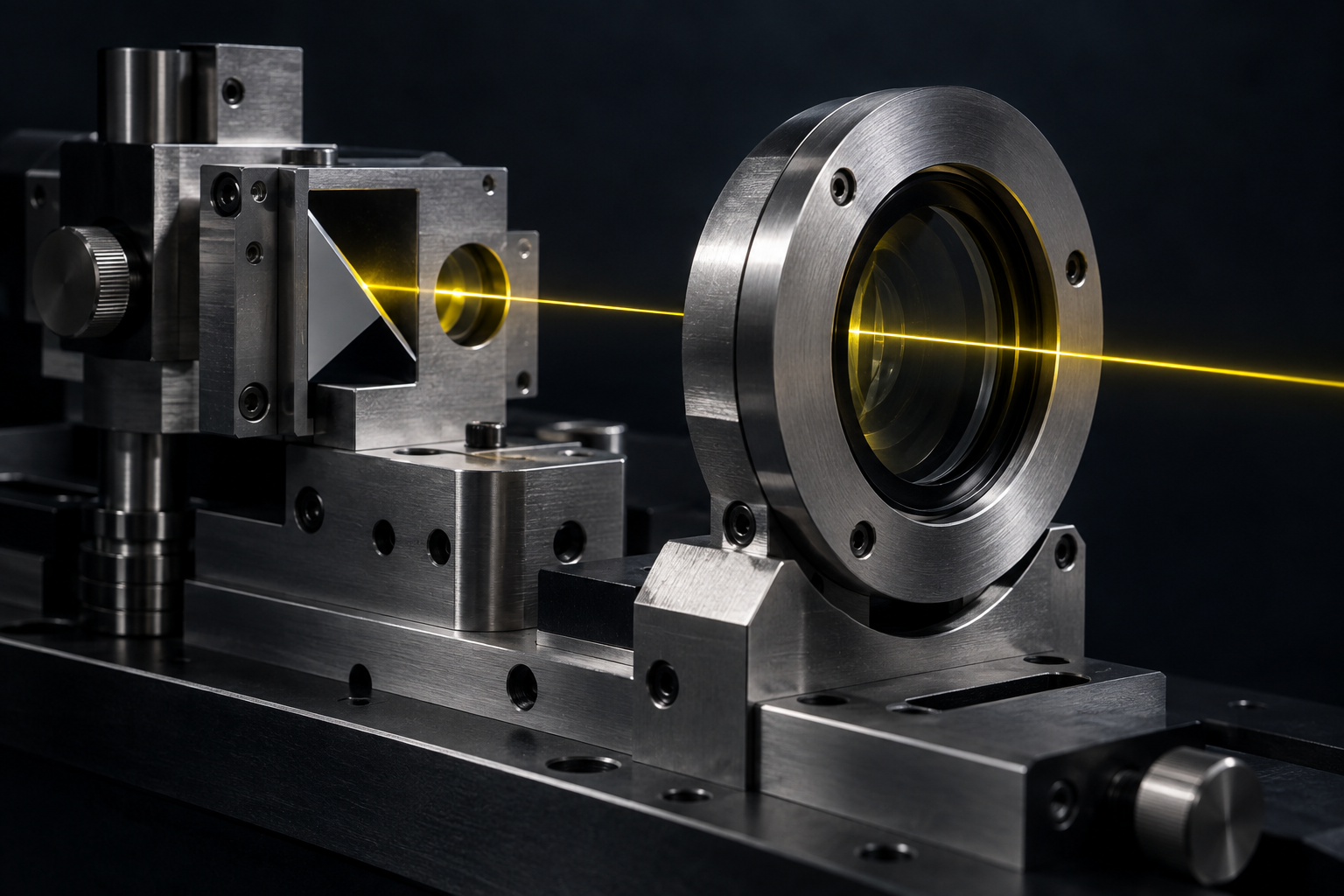
WHERE SOFTWARE MEETS THE PHYSICAL WORLD01 / F&F
Grounded in
real product experience.
Physics PhDCo-founder through acquisitionLeadership of ~25 people01 / CAPABILITIES
Build the product.
Strengthen what’s behind it.
From science ready for its first users to an established product or engineering team, start with the next step you need to make possible.
01FOR RESEARCHERS & SCIENCE-BASED STARTUPS
R&D prototype
to demo unit.
Turn promising science into a working system someone outside the lab can use.
Working alongside academics and technical founders, I connect research software, instruments and user workflows into a usable demo. Put it in prospective users’ hands to validate the idea, gather customer feedback and demonstrate the opportunity to investors.
- Diagnostics
- Controls
- Quantum technologies
- Medical imaging
- Manufacturing
What we can work on +
Define the question the demo needs to answer; scope a usable first system; integrate research code, data acquisition and instrument control; create operator interfaces and repeatable workflows; capture measurements and user feedback; prepare a demonstrable unit and a roadmap for the next stage.
Industrial AI &
software modernization
Your product has evolved. Its software needs a clear path forward. Connect new capabilities to the systems, hardware and workflows you already have.
What we can work on +
Architecture and workflow assessment; incremental modernization; integrating AI or vision capabilities into product software; a prioritized implementation roadmap.
Fractional CTO &
chief architect
You need senior technical judgment as your company grows. Get hands-on direction across architecture, product decisions and engineering delivery.
What we can work on +
Technical roadmaps; architecture decisions and reviews; build-or-buy assessments; team structure, hiring and mentoring; ongoing partnership with founders and engineering leads.
Engineering productivity
& AI adoption
Turn experimentation with AI into useful engineering habits. Start with real work, support your team through adoption and measure what changes.
What we can work on +
Engineering workflow assessment; AI-assisted coding and testing pilots; codebase guidance and reference patterns; team training; baseline and follow-up measurement.
Architecture rescue
for hard-tech teams
The prototype worked. Now every change touches everything. Find the structural problems and create a practical route to a maintainable product.
What we can work on +
Codebase and dependency review; clearer interface contracts; hardware abstraction and simulation; test strategy; staged refactoring backed by reference implementations.
Technical due diligence
Understand the technical reality behind an investment or acquisition. Examine how the software works, what it depends on and what delivery will require.
What we can work on +
Product and software architecture review; maintainability and testing assessment; hardware dependencies; team and roadmap review; a written account of technical risks, open questions and priorities.
Industrial connectivity
& OT integration
Make the software around your equipment easier to connect, test and support. Bring clarity to the boundaries between devices, applications and factory systems.
What we can work on +
Device and industrial-interface integration; APIs for equipment and integrators; hardware simulation; diagnostics for disconnected environments; software modernization around existing control systems.
02 / SELECTED EXPERIENCE
Built on work
in the real world.
Experience from Cole’s founding, leadership and consulting roles.
LASER DEPTH DYNAMICS → IPG PHOTONICSCo-founder → Director
From research to a commercial industrial product.
Cole built the early software prototypes that became the starting point for Laser Depth Dynamics, combining optical imaging, data acquisition and instrument control for manufacturing and surgical research. As co-founder and founding software engineer, he helped take that work into deployed industrial products. Following acquisition by IPG Photonics, he led software across three product lines and managed approximately 25 people.
Research to productImaging & controlsTechnical leadership
EUV TECHSoftware development consultant
Working software before the hardware arrived.
As part of a two-developer team, Cole co-developed the software for a semiconductor pellicle-testing machine. Hardware abstraction and simulation allowed the application to be tested end to end before physical equipment was available.
System architectureHardware simulationIndustrial UX
VIRTEK VISIONSoftware developer → Architect
A clearer path from R&D into product software.
Cole’s work spans platform architecture, integrator APIs, automated validation and reference implementations. He has also created practical examples for AI-assisted development, including test-writing patterns and codebase-specific guidance.
Platform modernizationEngineering enablementAI-assisted development
03 / WORKING TOGETHER
Start with one
meaningful problem.
A focused engagement with a clear scope, practical deliverables and knowledge your team can keep using.
- 01 — UNDERSTAND
Find the constraint.
Look at the product, the team and the way work gets done. Agree on the problem worth solving and what progress should look like.
- 02 — IMPLEMENT
Make a useful change.
Work alongside your team on the architecture, workflow or implementation that matters most. Test it against real conditions.
- 03 — ENABLE
Leave the team stronger.
Document the decisions, share the patterns and define the next steps. Continue with fractional leadership where it helps.
THE PERSON BEHIND THE PRACTICECVV
Cole Van Vlack, PhD
Kitchener–Waterloo, Ontario
04 / ABOUT
Comfortable with
the complicated parts.
I’m a physicist, software architect and former hard-tech co-founder. My PhD explored classical and quantum nanophotonics. I’ve worked closely with academics to translate research into usable systems, including imaging and control prototypes for medical and manufacturing applications.
I’ve written the first code, built teams, supported customers and helped a company grow through acquisition. I stay close to the implementation because good technical decisions depend on understanding how things actually work.
I also founded Hard Tech Happy Hour and co-organize AI Tinkerers Waterloo, bringing together people who like building and learning.